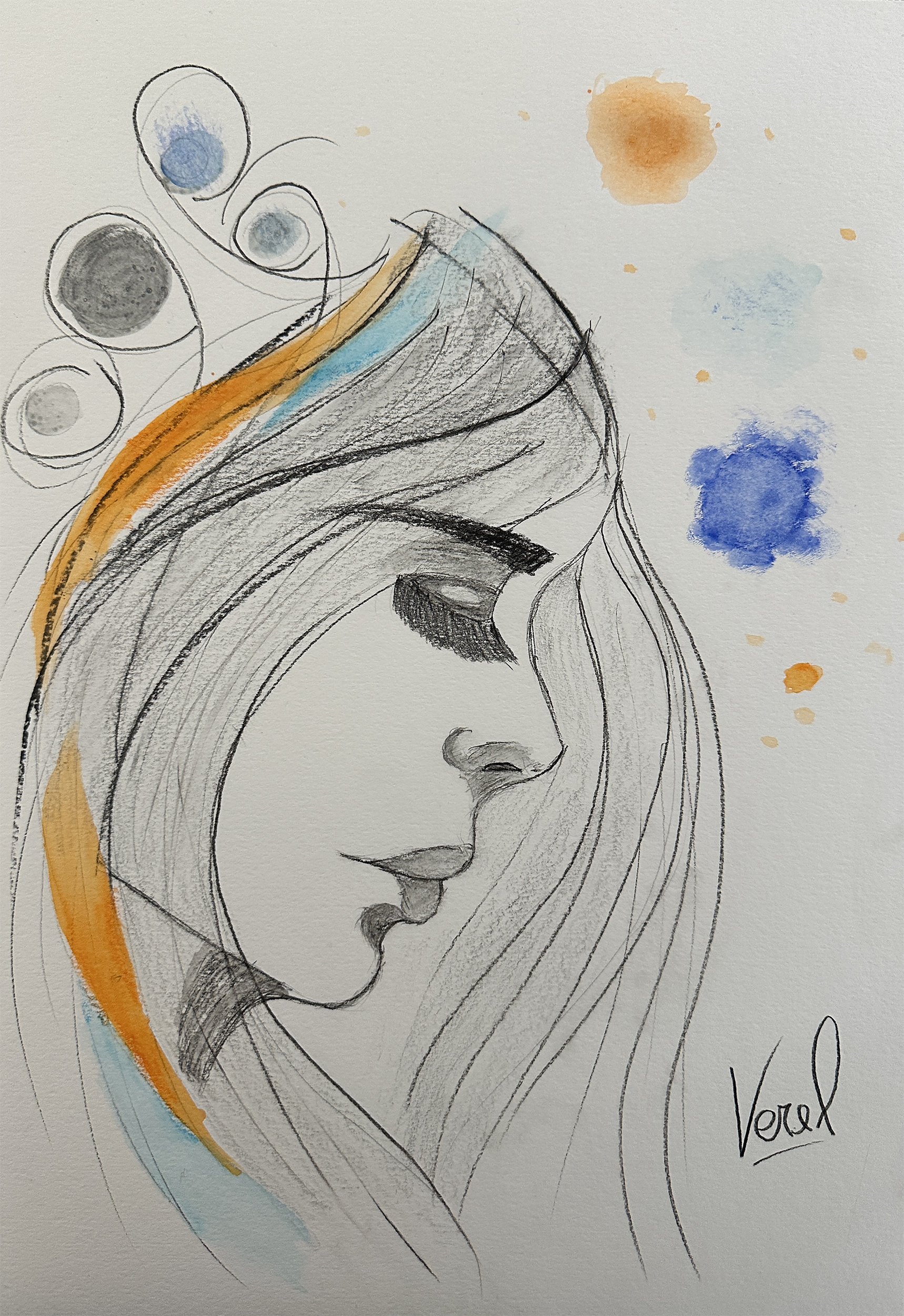
“SWEET DREAMS” – Original piece
100,00 €
1 in stock
Description
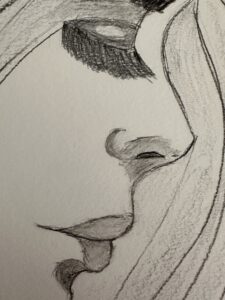
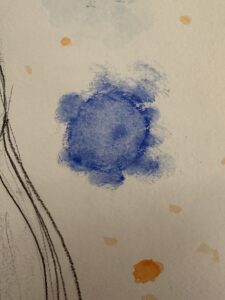
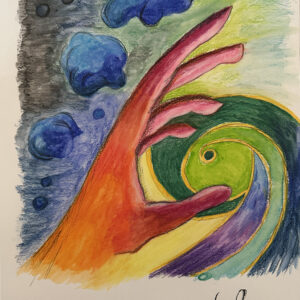
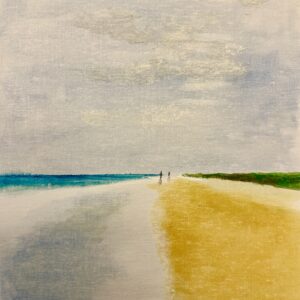
Watercolors, various pencils and charcoal on slightly grained A3 cardboard size 250 g/m2 – 135 lb.
Size: 30×42 cm | 11,81×16,53 inches. Unique piece. Perfectly preserved. Signed by the author. Enclosed certificate of authenticity.
This piece is unique, painted with time, care, and emotion. It’s not just art — it’s an investment in beauty, a creation whose worth can only increase with the years.
Conceptual Overview
Sweet Dreamsinvites the viewer into a liminal space between consciousness and reverie. Whereas works such asAnguish(of the same series) speak of tension and tightness, this one balances on the threshold of sleep: the moment when the day-world recedes and the dreaming self emerges. The title suggests a lull, a moment of quiet surrender, but the very phrasing (sweet dreams) often carries a double edge—dreams as refuge, but also as undoing. The work can be read both as an homage to the respite of sleep, and as an exploration of the fragile boundary where letting go becomes transformation.
Formal & Material Reading
In the medium of pencil and charcoal on grained cardboard, the artist harnesses the raw immediacy of mark-making and the softness of tone. The textured support engages the hand directly — the grain holds the charcoal, the pencil defines the subtle gradations, and the atmosphere emerges in flicks of dust and erasure. The size (A3) is intimate enough that the viewer is compelled to approach, to lean in, to engage with details; yet large enough to allow for expanses of space and breathing room.
The monochromatic or near-monochromatic palette (typical of the series) works in favour of mood over narrative. Light becomes character. Shadows hint at what is hidden, what is half-forgotten. The absence of colour draws attention to the line, the space around the figure (or symbol) and the way the mark resonates in the negative.
Formally, the piece moves between stillness and movement: areas of calm flat tone contrasted with sharper scratchy gestures, perhaps swirling lines suggesting drifting thoughts. The particular interplay of soft transitions and sharper edges mimics the experience of drifting off: one moment lucid, the next dissolving.
Symbolic & Thematic Dimensions
InSweet Dreams, several motifs may be in play:
The concept of sleep and dreaming: invoking both escape and introspection, a space where the inner world asserts itself.
The threshold: between wakefulness and sleep, consciousness and unconsciousness, where identity may shift.
The ephemeral quality of dreams: hints of forms not quite resolved, figures that hover on the edge of recognition.
The double meaning of “sweet”: comforting yet elusive, perhaps even bittersweet.
Silence and stillness: the act of entering a dream implies surrendering control, softening boundaries.
Thus the piece invites reflection on what it means to rest, to let the guard down, to allow the interior self to surface — while simultaneously acknowledging that this moment of ease is transitory. It asks: what happens in the space between ? What is revealed when the daily mask slips?
Placement within the Artist’s Practice
This piece sits within the “Original Pieces” series at The Quiet Studio — a body of work characterised by introspective themes, muted palettes, intimate scale, and a sense of mental-landscape rather than external narrative. The studio describes itself as “a real place and a state of mind… where the noise of the world fades, and what’s left is the simple joy of creating — just for the sake of it.” In that spirit,Sweet Dreamsmay be read as an invitation: to pause, to observe one’s inner terrain, and to allow the dreaming self its moment of voice.
Curatorial Considerations
For display, the artwork benefits from a space of quiet contemplation — minimal distractions, soft lighting that reveals the subtleties of charcoal, and a framing that honours the raw material (perhaps a simple black or dark grey frame, no mat to distract). The viewer should be able to approach closely and then step back to inhabit the piece’s mood.
In a group show,Sweet Dreamsmight be positioned as a counter-point to works of tension or anxiety (such asAnguish). It could mark the moment of “surrender” or “transition” in a larger narrative about emotional states, consciousness, or interior life.
A wall-text might read something like:
Sweet Dreamsexplores the liminal moment between the day’s last breath and the dream’s first whisper. Within the quiet grain of cardboard and the soft incisions of charcoal, the viewer is invited to drift, to observe the interior self when the outer world falls away.
Invitation to the Viewer
Stand beforeSweet Dreamsand let your breathing slow. Notice how the marks trace not only forms but spaces — the space between form and formlessness, between wake and rest. Lean in: can you feel the hush of the moment before sleep? Then lean back: what floats into view when you allow the edges to soften? The piece asks not for answers but for presence. It asks: where do you go when the world pauses and the dream begins?